the woman behind the method
About Ashley
I help creative experts turn the audience they already have into high-ticket clients. But I didn't start there. I started with eighteen boxes of clothing in a bathtub.
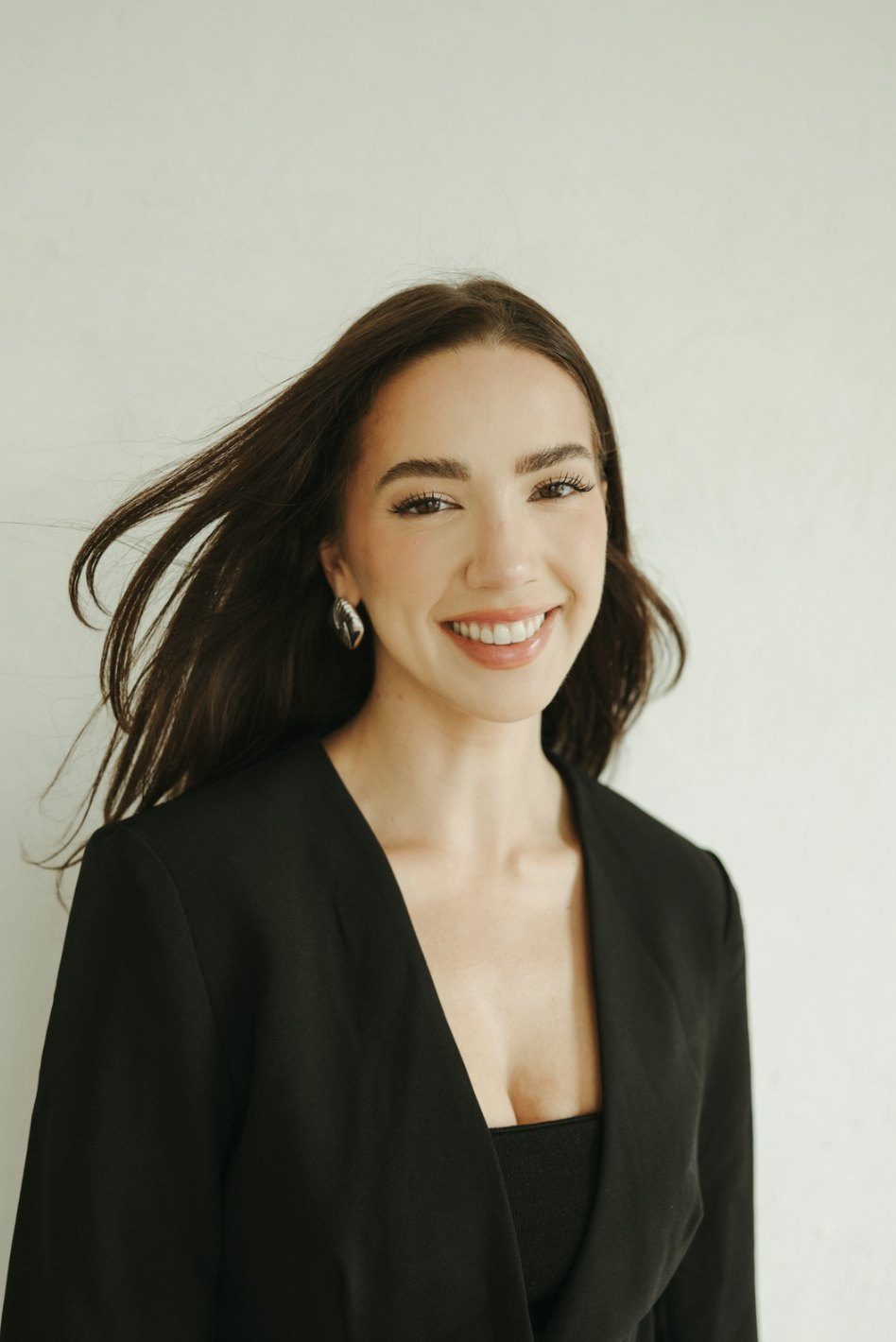
I help creative experts turn the audience they already have into high-ticket clients. But I didn't start there. I started with eighteen boxes of clothing in a bathtub.
You can be genuinely great at what you do and still have no idea how to sell it. I know that in my bones, because I spent years being living proof of it.
I have built businesses around clothing, tattoos, design, illustration, education, coaching, and marketing. Products, services, one-to-one work, done-for-you offers, group programs. Every one of them taught me something different about making good work, finding clients, and trying to turn a creative skill into a life that actually supports you.
They also taught me how easy it is to be talented and still have no clear path from what you make to who pays you for it.
My first real business was a clothing line. I poured everything into it, and I lost $150,000. Not investor money. Mine. I drained my savings, and then I drained part of the inheritance I got after my mom passed away when I was 18. There was no family money waiting in the wings. No safety net. No quiet fund to catch me if it went wrong.
It went wrong. At one point I looked at my account and had around four hundred dollars, and no plan for what came after it. Then I got kicked out of my apartment. I moved into a smaller one, and I moved my eighteen boxes of unsold inventory in with me. They didn't fit anywhere, so they sat in the bathtub.
That was my business. A tub full of clothes nobody bought, a stack of doubt, and no clear way forward. I knew I wasn't stupid. I'd studied marketing. I loved art, branding, the craft of saying something in a way that makes a person feel it. And I still could not figure out how to turn any of that into a business that actually worked.

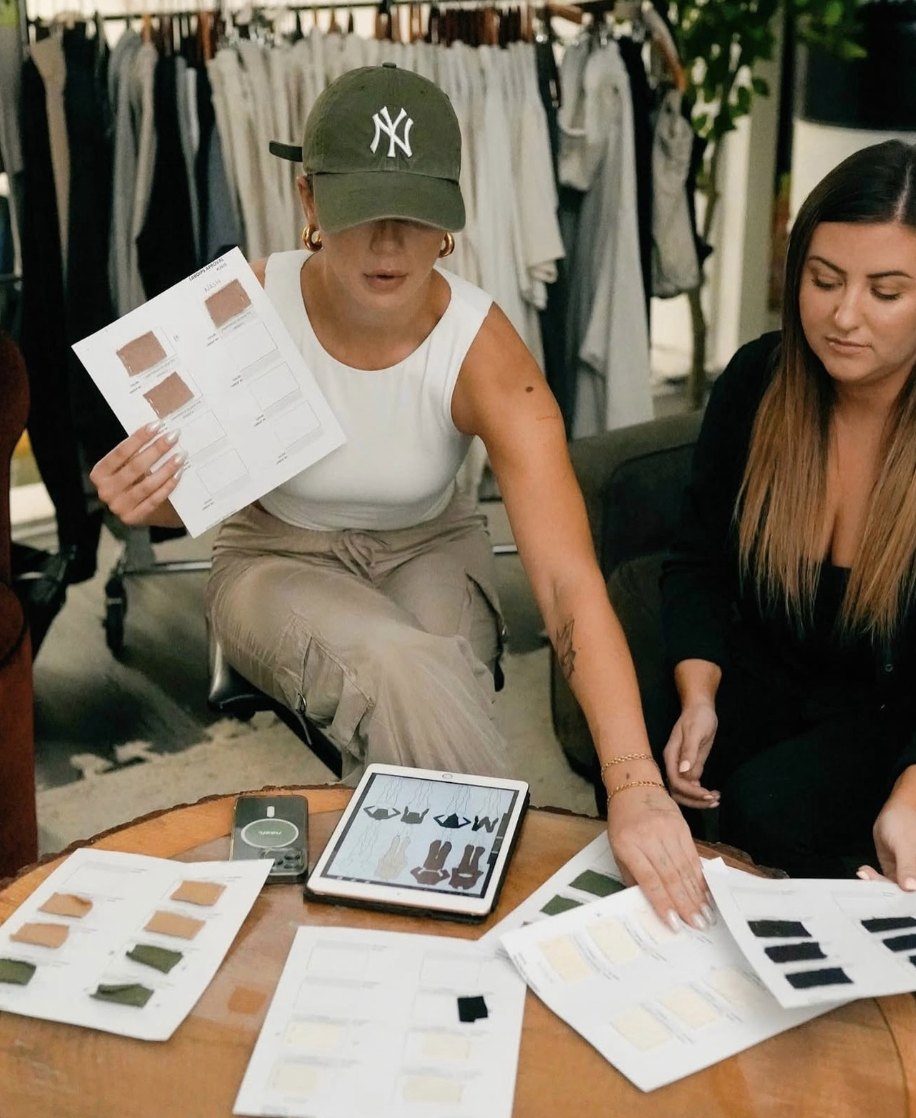
Products. One-to-one work. Done-for-you services. DIY courses. Coaching. I bought programs that promised the world and handed me a pile of information with no system underneath it, and I'd finish them more confused than when I started. I kept tearing the whole thing down and rebuilding from scratch, because I never had the offer, the message, the marketing, and the sales process all working at the same time.
To survive, I leaned on the skills I could sell fast. I did brand design. I sold illustrations and prints. I took on design clients and built a little platform around my creative work. It kept the lights on. It just wasn't the thing.
And somewhere in the middle of all of it, I picked up a tattoo machine.
I became a tattoo artist while I was still trying to build a business. I learned how to make something personal with my hands, build trust with a stranger in an hour, and make a person feel safe enough to let me put something permanent on their body.
That experience never left me. Tattooing taught me that people are not really buying the thing you make. They are buying your judgment. Your taste. Your ability to understand what they want before they can explain it properly. They are buying the feeling that they're in the right hands.
That's true in tattoos. It's true in design. It's true in photography, coaching, consulting, education, and every other kind of creative work. The craft gets you in the room. The judgment is what they pay for.
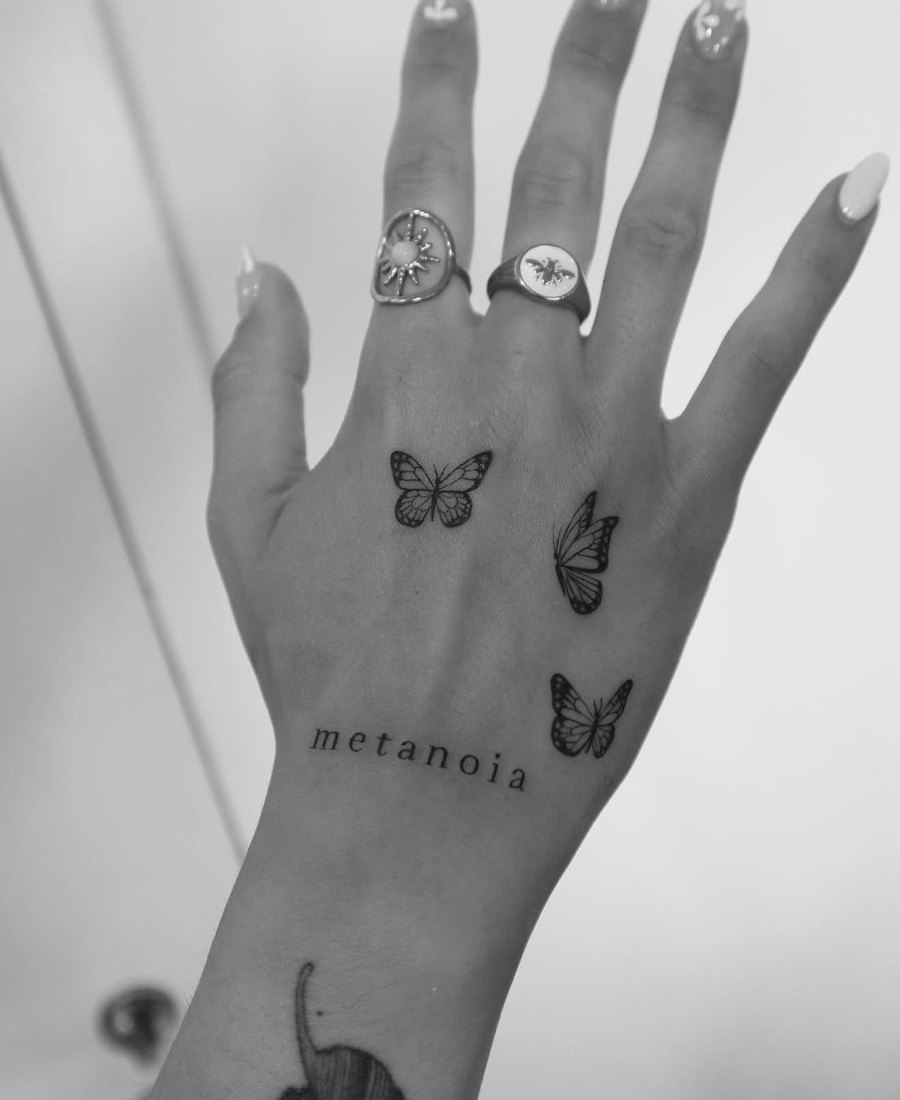
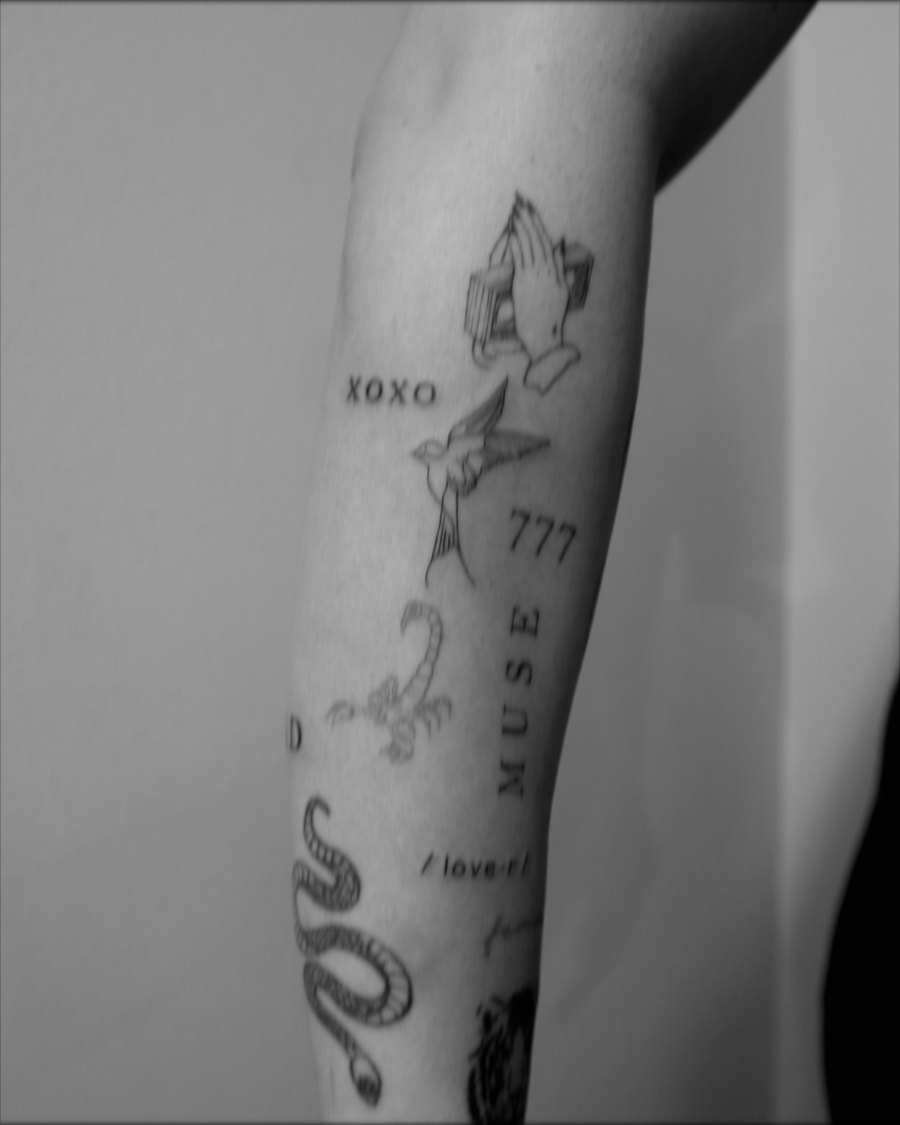
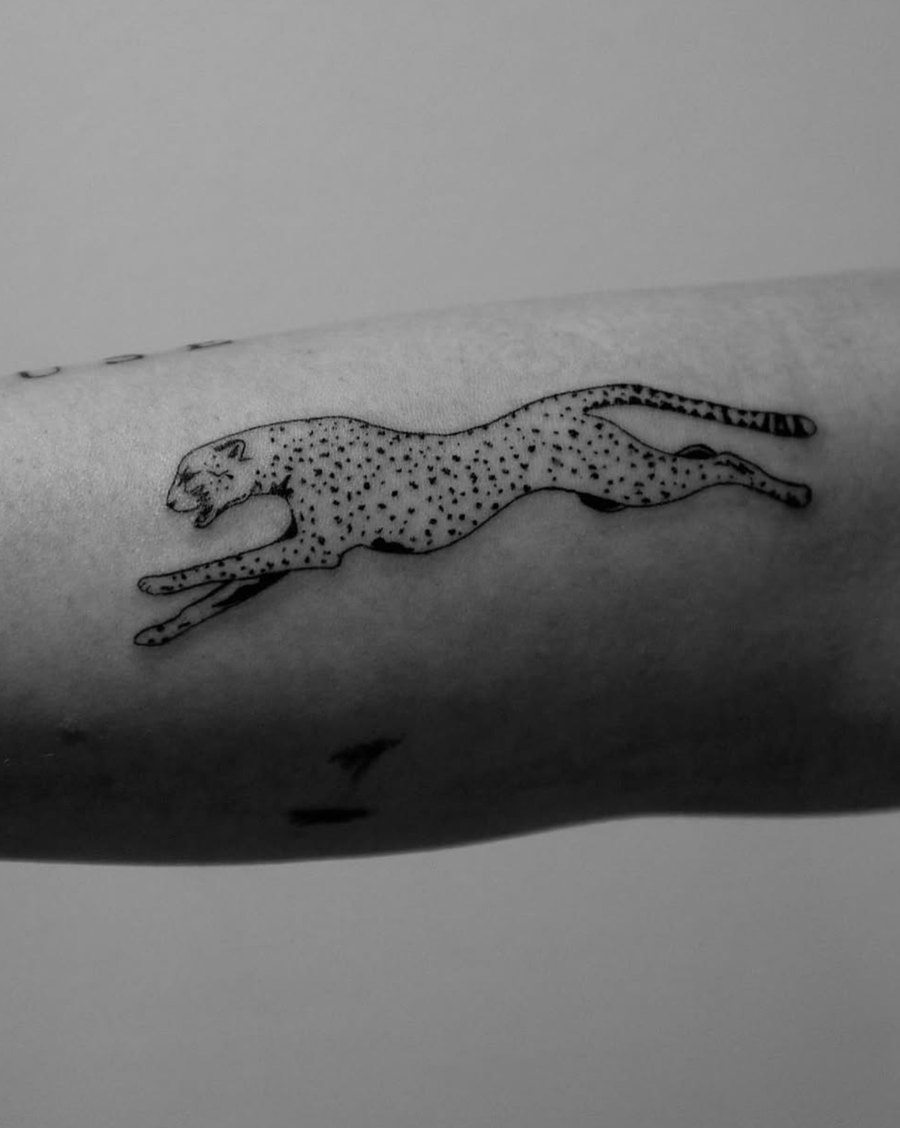
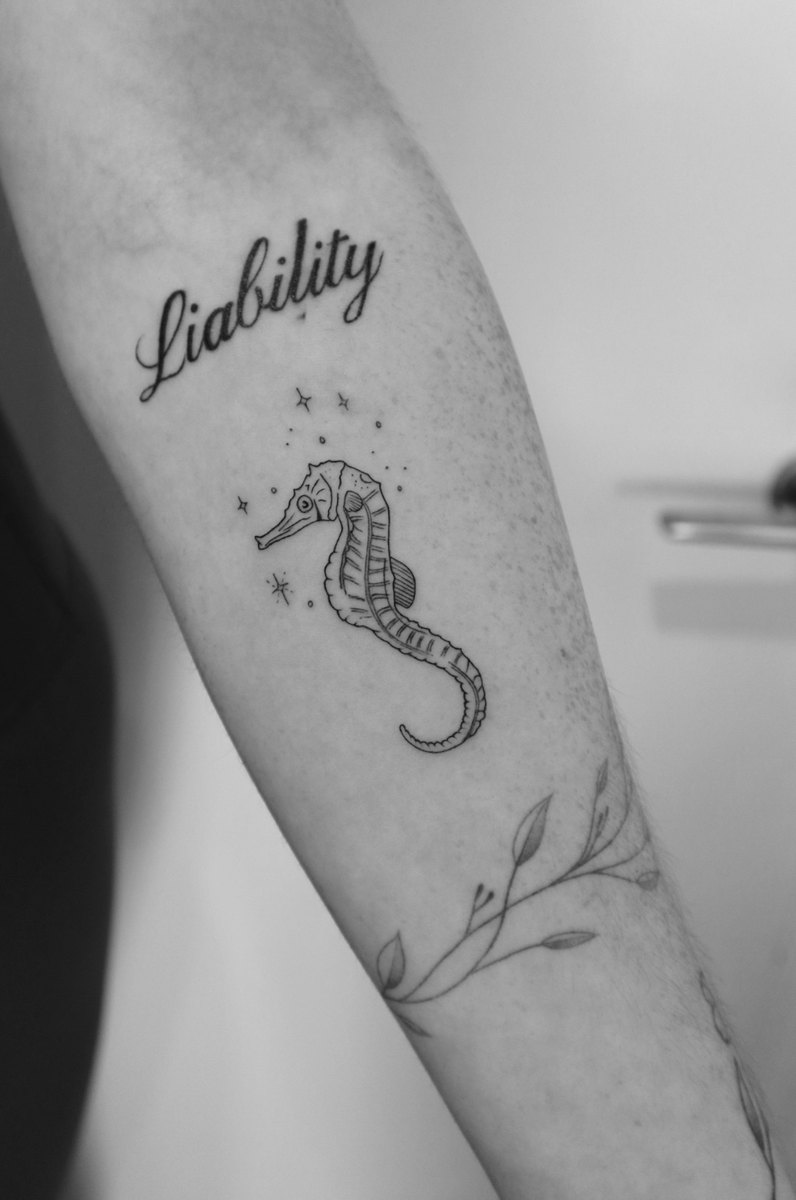
I didn't announce it. I didn't wait to feel ready, or qualified, or safe. I just thought, "I want to do this," and I started. That small, quiet decision is the one that changed the entire direction of my life.
I started learning how content, positioning, offers, and sales actually fit together. How to turn attention into a conversation. How to turn a conversation into a client. And most importantly, why so many brilliant creative founders stay invisible. Here's what I found: it's almost never a talent problem. They know how to do the work. They know how to make something beautiful, useful, strategic, or transformative. What they don't know how to do is create enough belief for the right people to actually choose it. That gap, between being good at the work and being chosen for it, is the exact gap I now close for a living.
You can have deep expertise. Years of experience. Results that speak for themselves. And people will still scroll right past you, because in the two seconds you have, they can't tell:
Creative founders feel this gap in a specific way. Your work may be strong. Your taste may be obvious to you. Your clients may love what you do. But if your content only ever shows the finished piece, people will admire it without ever understanding why they should hire you.
Marketing yourself is a skill. Positioning yourself is a skill. Creating buy-in is a skill. And turning content into clients is a system, not a lucky streak. That system is what I teach inside Monetize the Method. The heart of it is something I call sensory marketing: making your message land in the body, so the right person feels understood long before they ever ask your price.
I've talked to women with half a million followers who were quietly falling apart in their businesses. I've worked with clients who had twenty-nine followers and signed $5,000 clients. Your results come from how well you understand your buyer, position your offer, communicate your value, and lead someone toward a decision. Engagement feels lovely. Revenue is what keeps the doors open.
Your audience needs a clear path:
When that path is missing, you post and pray. When it's built, your content stops being homework and starts starting real sales conversations with people who already know why they want to work with you.
I care about designers, photographers, artists, creative directors, coaches, consultants, strategists, educators, and service providers. You might be exceptional at your craft. You might change people's lives. You might have years of experience, a portfolio you're proud of, and clients who'd happily recommend you. And none of that guarantees people can find you, understand you, or trust you enough to buy. You're trying to communicate something personal in seconds, and trying to sell without turning into the fake, sleazy version of online business we've all learned to scroll past.
You should never have to become someone else to build something profitable. You need a clear message, a premium offer, and a client system that still sounds like you.
Your taste belongs in your marketing. Your point of view belongs in your positioning. Your standards belong in the way you sell. The goal was never attention for attention's sake. It's more of the right buyers, who understand exactly what your work is worth.

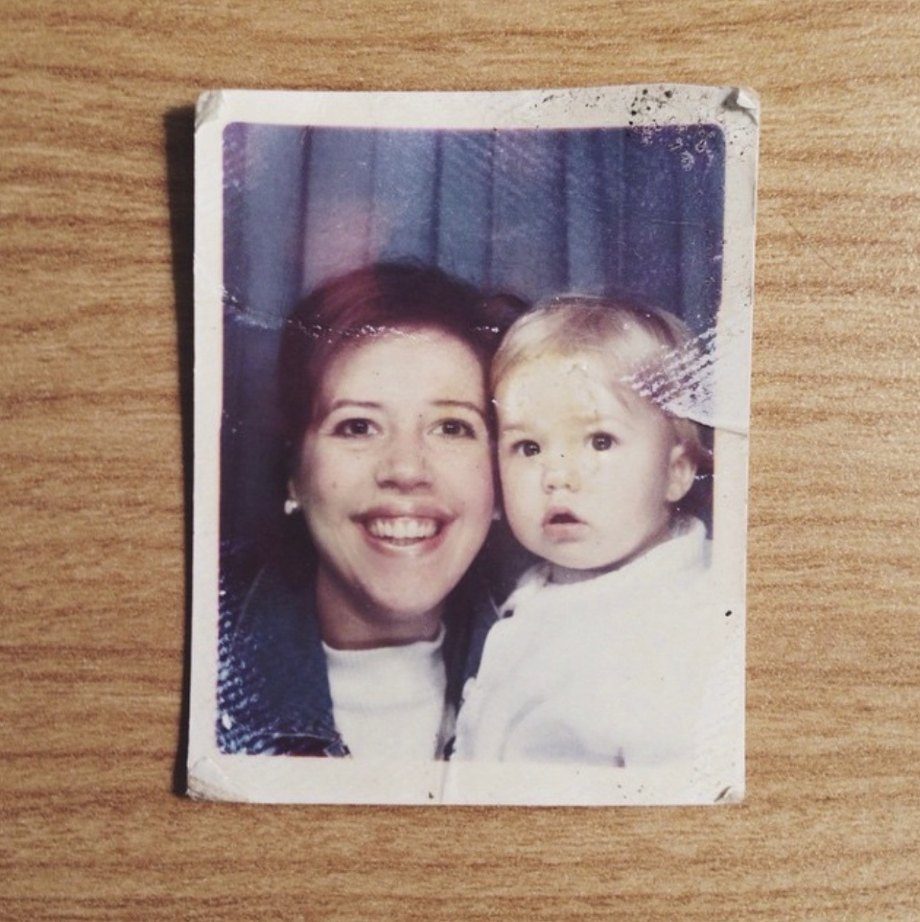
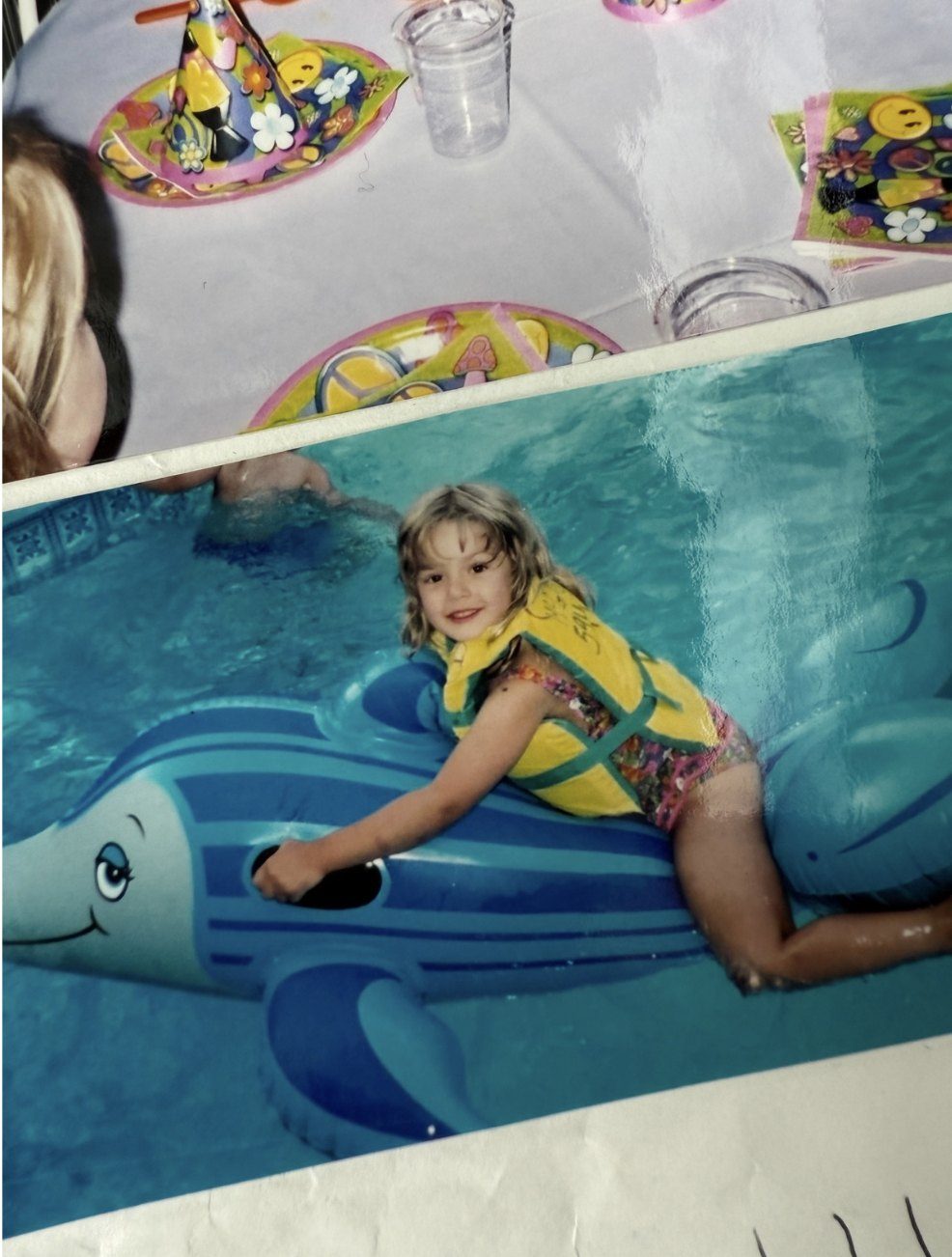
I never came from money, and I spent a long time trying to figure out where I fit. My very first sales job was in software and tech at a university, and I was, by every measure, bad at it. My manager was hard on me. Every month reset to zero. I left that job certain of one thing: I am not a sales person.
I was wrong. I was selling the wrong thing, in the wrong room, to people I didn't understand. The moment I was selling an offer I believed in, to people I actually got, sales became a skill I could build like any other. So many of my clients carry the exact same belief I did, "I'm just bad at sales." Usually you're not. You're just unclear on the problem, the offer, the process, or the next step. All of which we can fix.

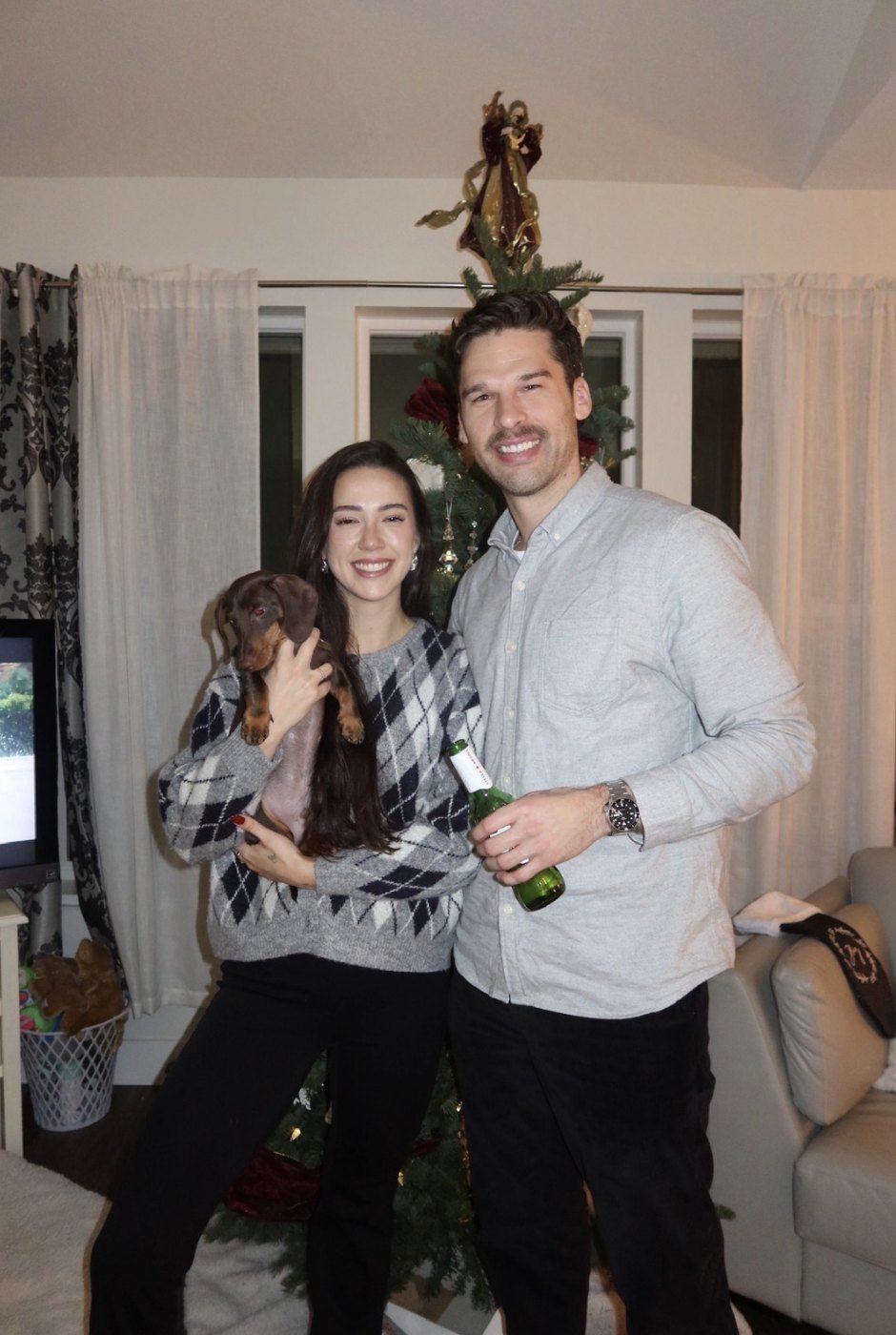
Today I live in Vancouver. My days are Monetize the Method, my clients, the gym, hunting down new restaurants, and taking my dog to the beach.
I built a life that finally feels peaceful, and it happened because I learned to build a business that gives me control instead of chaos. I still love ambition. I still want to make more money. I just refuse to do it by becoming exhausted, fake, or trapped in a loop of starting over every few months. You shouldn't have to either.
Clarify the offer you already have. Speak to one buyer more clearly. Show the thinking behind your work. Install the path from a post to a paying client. Trade the panic on your sales calls for a process that lets you lead. That's the work. That's what I help you build.
If you're a creative expert with a real skill, a real transformation, and a real desire to build a high-ticket business through your content, let's look at it together.
Apply for the Creative Demand AuditYou don't need more followers. You need a system that helps the right people find you, trust you, and become your clients. This works, now let's go prove it for you.